Maintaining vibrant teeth and gums isn’t just about aesthetics—it’s a cornerstone of overall wellness that evolves with you through every stage of life. When oral hygiene slips, gum diseases can creep in, starting subtly but potentially escalating to serious issues. While many people are familiar with the broad categories like gingivitis and periodontitis, gum disease encompasses a spectrum of conditions, each with unique triggers, symptoms, and impacts.
At Dental On Park, we emphasise proactive care to catch these early, but understanding the full range can empower you to protect your smile. In this post, we’ll explore the key types of gum disease, drawing on the latest insights to help you recognise risks and seek timely intervention.
The Foundation: How Gum Disease Develops
Gum diseases, or periodontal diseases, stem primarily from bacterial plaque buildup along the gumline. If not removed through brushing, flossing, and professional cleanings, this plaque hardens into tartar, fostering inflammation and infection.
Factors like smoking, diabetes, hormonal changes, or genetics can accelerate progression. The two primary stages—gingivitis as the initial, reversible phase, and periodontitis as the advanced, damaging one—form the backbone, but variations exist based on severity, speed, and underlying causes. Untreated, these can lead to tooth loss and even link to systemic health problems like heart disease or respiratory issues.
1. Gingivitis: The Warning Sign You Can’t Ignore
Often dubbed the “gateway” to more severe gum issues, gingivitis is the most common and mildest form, affecting up to 90% of adults at some point. It kicks off when plaque accumulates, irritating the gums and sparking inflammation. Unlike deeper infections, gingivitis stays confined to the soft tissues without damaging the underlying bone or ligaments.
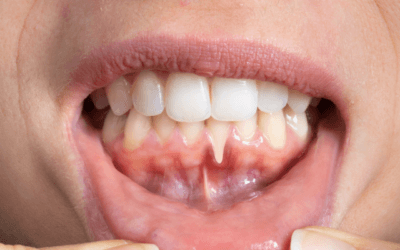
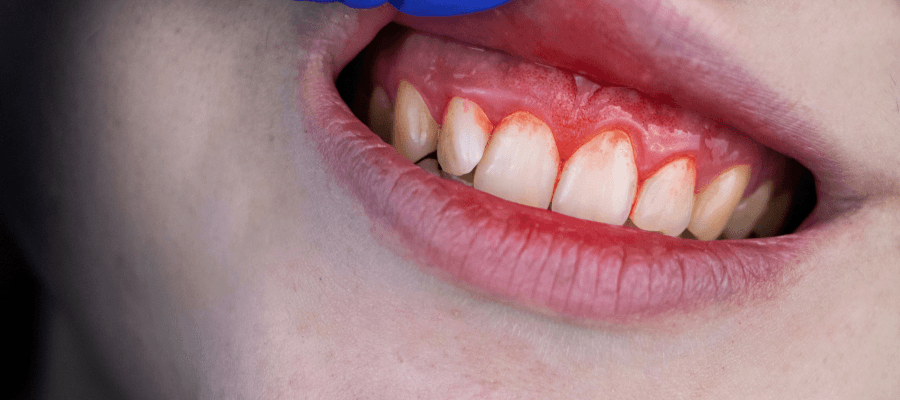
Key Signs: Your gums might appear redder than usual, feel tender or swollen, and bleed easily during brushing or flossing. You could notice a subtle bad taste or persistent breath odor, but pain is minimal at this stage.
Causes and Risks: Poor oral hygiene is the main culprit, but stress, certain medications, or pregnancy can heighten vulnerability. The good news? It’s fully reversible with diligent home care and professional scaling.
At Dental On Park, our hygienist uses specialized tools and techniques during routine check-ups to remove plaque and guide you on efficient cleaning methods, preventing escalation to tougher stages.
2. Chronic Periodontitis: The Slow-Burning Threat
This is the most prevalent advanced form, typically developing from untreated gingivitis in adults over 35. It progresses gradually, eroding the supportive structures around teeth, including the cementum (root covering), periodontal ligament, and jawbone.
Key Signs: Deeper “pockets” form between teeth and gums, trapping bacteria and leading to further recession. Expect bleeding, gum recession exposing roots, persistent halitosis, a metallic taste, and eventually loose teeth as bone loss advances.
Causes and Risks: Ongoing plaque buildup combined with age-related factors or habits like tobacco use fuel this type. It’s insidious because symptoms might not scream “emergency” until significant damage occurs.
Treatment often involves deep cleaning (scaling and root planing), antibiotics, or surgery in severe cases. Regular exams at Dental On Park allow us to monitor pocket depths and intervene early, preserving your natural teeth.
3. Aggressive Periodontitis: Fast and Furious Damage
Unlike its chronic counterpart, aggressive periodontitis strikes quickly, often in younger individuals (teens to 30s) with otherwise healthy mouths. It can run in families, suggesting a genetic component that impairs the immune response to bacteria.
Key Signs: Rapid bone destruction leads to early tooth mobility, deep pockets, and gum recession, sometimes without obvious inflammation. Patients might experience sudden pain or notice teeth shifting positions.
Causes and Risks: A hyperactive bacterial response, possibly linked to specific pathogens, drives this. Smokers or those with systemic conditions are at higher risk.
Management requires swift action, like antimicrobial therapy or regenerative procedures. Early detection through our comprehensive gum assessments at Dental On Park can make a world of difference.
4. Necrotising Periodontal Disease: The Acute Emergency
This rare but severe type involves tissue death (necrosis) in the gums, ligaments, and bone, often hitting those with weakened immune systems, such as people with HIV, malnutrition, or extreme stress.
Key Signs: Intense pain, rapid ulceration, foul odour, fever, and greyish sloughing tissue distinguish it. Bleeding is profuse, and it can spread quickly if ignored.
Causes and Risks: Overwhelming bacterial invasion in compromised hosts, exacerbated by poor nutrition or immunosuppression.
Urgent debridement, pain management, and addressing underlying health issues are crucial. Our team at Dental On Park collaborates with medical professionals for holistic care in such cases.
5. Periodontitis as a Manifestation of Systemic Diseases
Sometimes, gum disease isn’t standalone but a symptom of broader health woes, like diabetes, leukemia, or heart conditions. These alter immune function, making gums more susceptible to infection.
Key Signs: Similar to chronic periodontitis but with amplified severity, such as exaggerated inflammation or poor healing.
Causes and Risks: Underlying illnesses disrupt normal bacterial control, turning minor plaque into major problems.
Treatment focuses on managing the root condition alongside periodontal care. At Dental On Park, we integrate oral health checks with your overall medical history for tailored prevention.
6. Abscesses of the Periodontium: Localised Infections
These are pus-filled pockets from bacterial invasion, often complicating existing periodontitis. They can be gingival (gum-only) or periodontal (deeper).
Key Signs: Swelling, throbbing pain, pus discharge, and possible fever if spreading.
Causes and Risks: Trapped debris in pockets or trauma.
Drainage, antibiotics, and root planing resolve most, but prevention through hygiene is key.
Quick Comparison: Types at a Glance
| Type | Severity | Key Features | Common in… |
|---|---|---|---|
| Gingivitis | Mild | Inflammation, bleeding | All ages |
| Chronic Periodontitis | Moderate | Slow bone loss, pockets | Adults over 35 |
| Aggressive Periodontitis | Severe | Rapid destruction | Younger adults |
| Necrotizing Disease | Acute | Tissue death, pain | Immunocompromised |
| Systemic Manifestation | Varies | Linked to other diseases | Those with illnesses |
| Abscesses | Localized | Pus, swelling | Complicated cases |
Wrapping Up: Prevention Is Your Best Defense
Gum diseases vary in presentation and pace, but they all underscore the need for consistent care. From the reversible gingivitis to aggressive forms that demand immediate attention, early intervention can halt progression and safeguard your health. At Dental On Park, our dedicated team—including our skilled hygienist—conducts thorough gum evaluations during every visit, using advanced tools to promote efficiency in your daily routine. If you’re noticing any signs, don’t wait; schedule an appointment today to keep your smile strong and your well-being intact. Remember, healthy gums support a healthier you!
See a Dentist
For gum disease in Brisbane make sure to contact our dental clinics at Park Road, Milton and Buranda Village, Woolloongabba.
We are open and ready to accept patients from Brisbane, Milton and all other surrounding areas like Bardon Indooroopilly, Kenmore, Auchenflower Toowong, St. Lucia, Southbank, West End, Dutton Park, Coorparoo, Fairfield, Greenslopes, Annerley, South Brisbane, Stones Corner, Mount Gravatt East, Holland Park, Highgate Hill and Brisbane CBD.